Made by hand, kept for generations.
A bench in the Faubourg
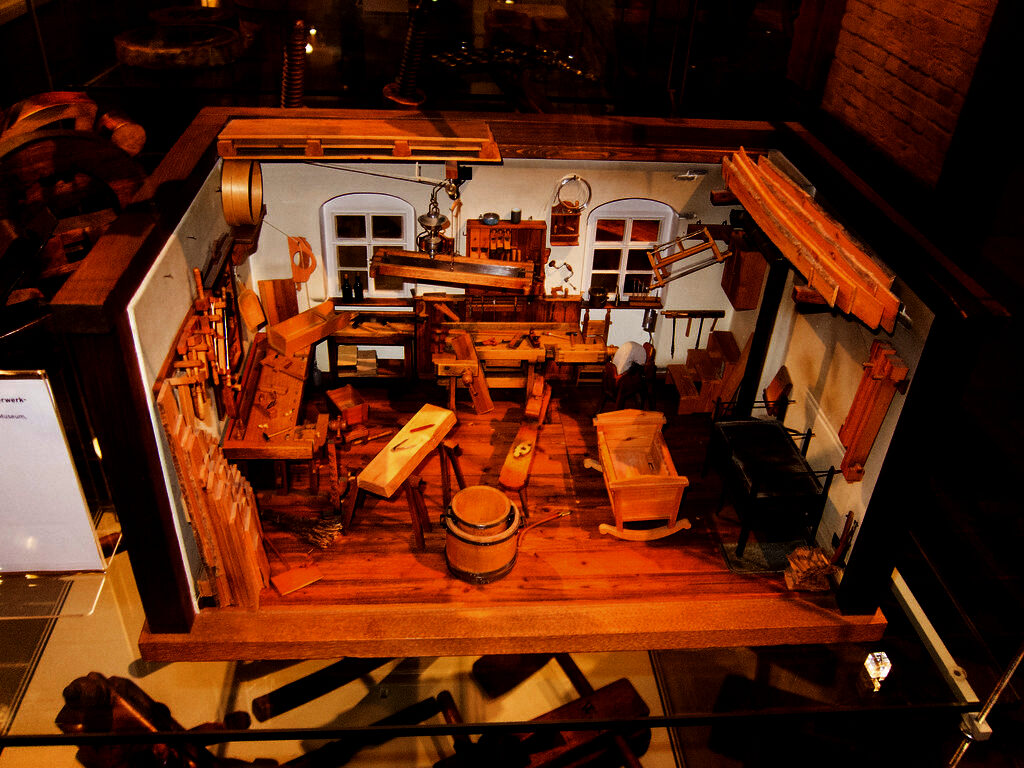
Émile Varenne was apprenticed at eleven in the Faubourg Saint-Antoine, the furniture quarter of Paris since the fifteenth century, and master joiner at twenty-six. In 1962 — the year the quarter’s old trade was beginning its long retreat before the machine-made and the disposable — he rented a single room on the Rue de Varenne and set up a bench, on the conviction that someone should remain who still did it the slow way.
The maison he founded has never grown beyond what that conviction could supervise. Twelve craftspeople work the bench room today, as twelve did in 1972. The atelier makes a small number of its own editions — a farm table, a bed, a daybed — and presents, with the licensed authority of the great houses, the pieces of the modern canon that Émile spent his life arguing for: the chairs of Mies and the Eameses, Wegner’s wishbone, Henningsen’s artichoke, Noguchi’s paper moons.
Hélène Varenne, the founder’s granddaughter, has directed the maison since 2009. Under her hand the house opened in New York in 2014 and Milan in 2019, and made its single concession to the century: a computer-controlled mill in the back room, which roughs out components to a tenth of a millimetre — after which, as the joiners insist on saying, the work begins.
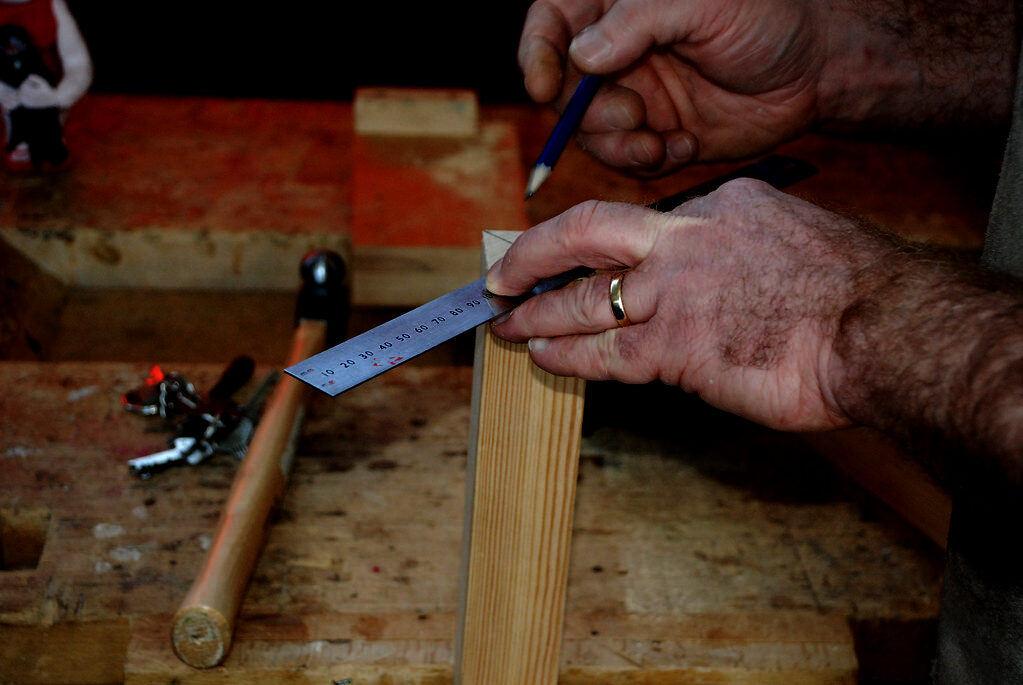 The lathe, bench room
What the house holds
Slowness
A finish of eleven coats takes two weeks. A Table de Ferme takes twelve. The maison has never once delivered early, and has never once apologised for it — the object will be living with you far longer than it waited for you.
Provenance
Every material arrives with its papers: the tree photographed before felling, the hide traced to the tannery, the stone approved from slab photography. What we cannot trace, we do not sell.
Repair, forever
Anything the maison has sold — its own editions and the canon alike — may return to the bench room for repair, re-finishing or re-upholstery, at cost, forever. A piece that cannot be repaired was not worth making.
Sixty-two years
One room, one bench
Émile Varenne opens the atelier on the Rue de Varenne, 7th arrondissement. The first commission — a refectory table for a family on the Rue de Babylone — is still in daily use and returns to the bench room every decade for wax.
The first canon pieces
The maison begins presenting the licensed editions of the modern canon alongside its own work — the beginning of a fifty-year argument that a Wishbone and a farm table belong in the same room.
The bench room doubles
Twelve benches, two upholsterers, one finisher — the size the atelier has kept ever since. Émile refuses a third expansion with the sentence now carved inside the atelier door: small enough to sign.
Hélène Varenne
The founder’s granddaughter takes the direction of the house. The CNC arrives the same year, to rough out only; the hand finishes, as it always has.
New York
Four floors of a cast-iron building on Greene Street, SoHo. The lighting collection is kept lit on the second floor; the materials library opens to the trade.
Milano
A palazzo floor on the Via della Spiga, arranged as enfilade rooms — complete interiors rather than displays. The Salone week dinners at the long table become a fixture of the season.
 Joinery — the standard we keep
The making
01 — Selection. Timber rests a year in the atelier’s own racks before it is cut. Hides are chosen at the tannery, by hand and by nose. Stone is approved from slab photography, then in person.
02 — Roughing. The mill cuts to a tenth of a millimetre — then falls silent. Nothing that touches the hand of the sitter is left to the machine.
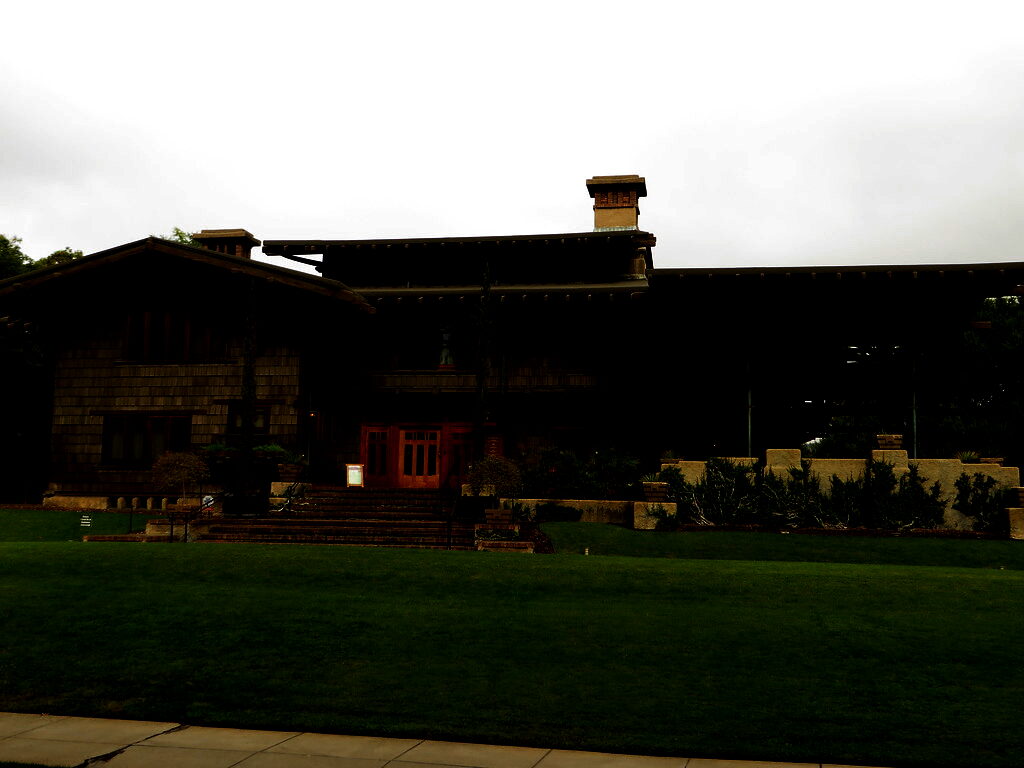
03 — Joinery. Mortise and tenon, drawbored and pegged; dovetails cut with a saw and pared with a chisel sharpened that morning. No screws in structural work.
04 — Finishing. Oil, then wax, then wax again — eleven coats across two weeks. The last hour of every atelier day belongs to the finisher.
A glossary of materials
The short, strict list of substances the maison works in — and will answer for.
Feed the leather, wax the wood, blot the stone — and bring anything back to us, at cost, forever.
The pieces these materials make